
The Role of AI in Arabic Localization
Opportunities and Challenges
The advent of AI tools has revolutionized industries worldwide, and localization is no exception. In a region as linguistically and culturally rich as the Arab world, these technologies present a unique opportunity to bridge communication gaps and connect businesses with over 400 million Arabic speakers. However, while AI shows great promise in enhancing efficiency, it also faces significant hurdles in mastering the complexities of the Arabic language.
Opportunities “AI as a Breakthrough”
AI-powered tools are reshaping Arabic localization with remarkable speed and accuracy.
Automating Translations
AI excels in automating translations, rapidly processing large volumes of content. From websites to marketing materials, these tools streamline workflows, enabling businesses to scale their communication efforts effectively.
Adapting to Dialects
The diversity of Arabic dialects often poses a challenge, but AI is making strides in adapting content to resonate with regional audiences. Machine learning algorithms analyze patterns in dialectal variations, ensuring more targeted and relatable messaging.
Cost Efficiency and Accessibility
For small and medium-sized enterprises, AI localization offers an affordable alternative to traditional methods. By reducing costs, businesses of all sizes can now enter Arabic-speaking markets with localized content that meets their needs.
ChallengesThe Human Element in Arabic Localization
Despite its strengths, AI encounters significant obstacles in fully understanding Arabic’s linguistic and cultural intricacies.
Context and Nuance
Arabic is a language steeped in context. A single word can carry multiple meanings depending on its placement and surrounding text. AI, though improving, often struggles with this subtlety, which can result in translations that feel impersonal or inaccurate.
Cultural Sensitivity
Localization isn’t just about words, it’s about understanding cultural identity. Humor, idiomatic expressions, and regional customs require a human touch. AI tools can fall short in capturing these nuances, which are vital for creating content that feels authentic and respectful.
Grammar and Structure
Arabic grammar is intricate, with complex sentence structures and a unique system of diacritical marks. Even the most advanced AI models can falter when faced with the detailed syntactical demands of the language.
Balancing Innovation with Insight
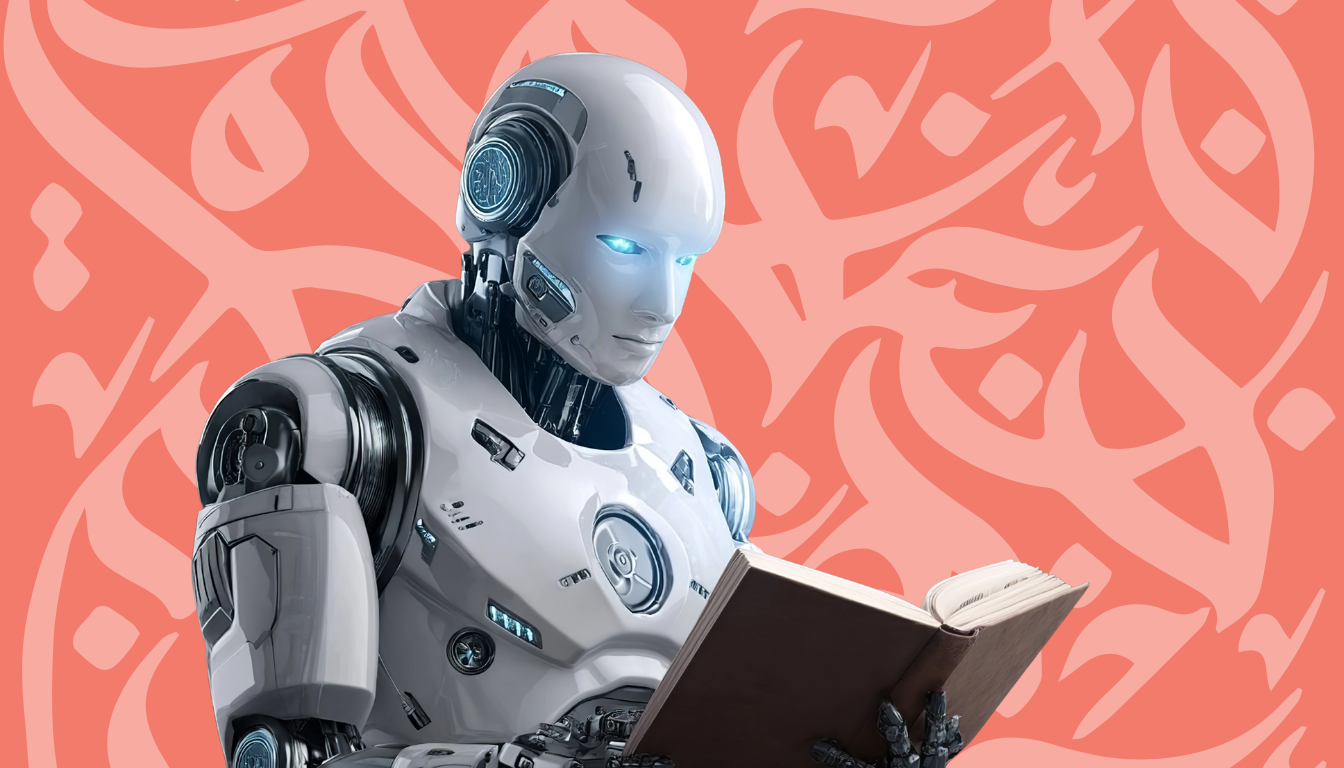
While AI continues to advance, it is evident that it cannot yet replicate the depth of human understanding. This raises an important question: Can AI replace the human mind? The answer, particularly in the realm of Arabic localization, leans toward collaboration. AI enhances speed and scalability, but it is the human translator who ensures cultural resonance and emotional authenticity.
The future of Arabic localization lies in leveraging the strengths of both. AI can handle repetitive tasks and large-scale projects, while human expertise fine-tunes the details that technology cannot grasp. Together, they create a powerful synergy, delivering content that is not only efficient but also meaningful.
Conclusion
AI is undoubtedly transforming Arabic localization, opening new doors for businesses to connect with diverse audiences. However, its limitations remind us of the irreplaceable value of human insight. By combining AI’s technological prowess with the cultural acumen of skilled professionals, businesses can achieve localization that resonates deeply with Arabic-speaking audiences.
In a world of rapid technological advancements, the key to success is balance, Harnessing innovation without losing the human touch.
FAQs
1. What is RTL design?
RTL design adapts layouts for languages like Arabic, which are read from right to left. It includes adjustments for text, icons, and overall layout to ensure a natural reading experience.
2. Why is RTL important for Arabic websites?
RTL design ensures Arabic users feel comfortable and connected. Without it, users may struggle with navigation, leading to frustration and mistrust.
3. How does RTL design affect SEO?
RTL design improves SEO by enhancing user experience, which in turn boosts engagement, retention, and search engine rankings.
4. What challenges does RTL design present?
Challenges include handling complex Arabic script, mixed-language content, and ensuring responsiveness across devices. Testing is crucial to address layout issues.
5. What tools support RTL design?
CSS, Bootstrap RTL, React-i18next, and design software like Figma and Adobe XD all offer tools for creating seamless RTL experiences.
6. How does RTL design enhance user experience?
RTL design makes the experience feel natural and familiar for Arabic speakers, building trust and encouraging engagement.
By considering both technical and cultural aspects, you can create web experiences that not only meet but exceed the expectations of Arabic-speaking audiences.